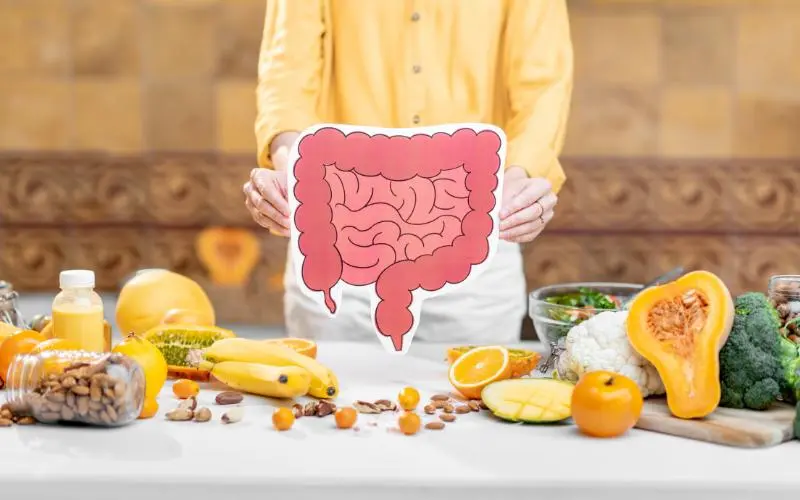
Your digestive system—it’s working around the clock, right? Breaking stuff down, pulling out the good bits, getting rid of what you don’t need. When everything’s humming along nicely, you feel brilliant. Energy through the roof. But here’s the thing—most of us are absolutely hammering our poor guts with processed rubbish, artificial this-and-that, and frankly not enough real plant food. Juicing offers a fantastic way to flood your system with concentrated nutrients while giving your digestive tract a well-deserved break from all that heavy processing.
Get this—your gut’s got about 70% of your immune system living in there. Mad, isn’t it? It’s like this incredible ecosystem with trillions of tiny bacteria that mess about with everything from whether you’re in a good mood to how well you actually absorb nutrients.
Poor gut health? It’s like dominoes falling. One thing leads to another and before you know it, you’re dealing with autoimmune problems, feeling rubbish mentally, dragging yourself through the day. When your intestinal lining gets compromised—they call it leaky gut syndrome—toxins start leaking into your bloodstream. Not exactly what you want happening.
The microbiome—that’s all those bacteria living rent-free in your gut—needs loads of different plant stuff to stay happy. Fresh juice extraction gives you concentrated plant compounds that basically feed the good bacteria whilst starving out the nasty ones.
So juicing—what’s it actually doing then? It’s turning whole vegetables and fruits into liquid nutrition that your digestive system can get at immediately. Takes out most of the insoluble fibre whilst keeping all the water-soluble vitamins, minerals, and enzymes. Your stomach doesn’t have to work nearly as hard breaking down all those cellular walls.
Think of it like pre-digestion, really. The mechanical extraction does what your digestive enzymes would normally have to slog through. Gives your gut a bit of a breather whilst still getting all those essential micronutrients.
Fresh pressed juices deliver concentrated alkaline compounds too. Helps neutralise excess acidity in your digestive tract—and let’s face it, most of us are too acidic internally anyway.
You’ll discover proper evidence-based ways to use fresh juice nutrition for healing your digestive system. We’re going to look at specific ingredients that actually target inflammation, support those beneficial bacteria, and optimise how well you absorb nutrients.
This guide sorts out common misconceptions about losing fibre and gives you practical timing advice. You’ll learn to create therapeutic juice combinations whilst avoiding the pitfalls that could actually make digestive symptoms worse.
Understanding what’s actually happening when you juice helps you get the most therapeutic benefits out of it. Your digestive system evolved to extract nutrients from whole plants, but modern life often messes with this natural process.
Plant cells have these rigid walls made of cellulose that your digestive system really struggles to break down completely. Juicing mechanically bursts these cellular barriers, releasing nutrients that might otherwise just pass through without being absorbed.
Studies show that carotenoid absorption jumps by 300-500% when vegetables are juiced compared to eating them whole. That’s a massive improvement because mechanical extraction frees up nutrients from their cellular prison.
Fat-soluble vitamins (A, D, E, K) particularly benefit from this process. When those cellular walls get broken down, these vitamins become much more accessible for absorption in your small intestine.
Fresh juices contain active enzymes that start breaking down nutrients before they even reach your stomach. These biological catalysts include:
Raw juice keeps these heat-sensitive enzymes alive—cooking would destroy them completely. When you drink fresh juice, these enzymes get to work immediately in your mouth and stomach.
Your digestive system uses loads of energy breaking down whole foods. This process—they call it the thermic effect of food—can burn up to 30% of your daily energy.
Liquid nutrition cuts down this metabolic burden whilst delivering concentrated nutrients. Your body can redirect energy that’s normally used for digestion towards healing and cellular repair instead.
Research from the Journal of Nutritional Science shows juice consumption leads to faster nutrient absorption and higher plasma concentrations of key vitamins compared to whole fruit consumption.
The enteric nervous system—that’s your “second brain”—contains over 500 million neurons. More than your spinal cord, actually. This gut brain communicates directly with your central nervous system through the vagus nerve.
Fresh juice nutrition supports this gut-brain axis by providing readily available glucose for neural function whilst delivering anti-inflammatory compounds that protect nerve tissue. Better digestive health translates directly to improved mood, sharper thinking, and better stress resilience.
Picking the right produce for digestive wellness means understanding which compounds target specific gut problems. Different plants contain unique compounds that tackle inflammation, support beneficial bacteria, and optimise digestive function.
Dark leafy greens give you chlorophyll—nature’s internal cleanser. This green pigment binds to toxins and heavy metals, helping remove them from your digestive tract. Chlorophyll also promotes beneficial bacteria growth whilst inhibiting the harmful ones.
Spinach contains loads of magnesium, which relaxes smooth muscle tissue in your intestines. Magnesium deficiency often contributes to digestive cramping and irregular bowel movements—more common than you’d think.
Kale provides sulfur compounds that support liver detoxification. Your liver produces bile acids essential for fat digestion and waste elimination.
Celery offers natural sodium that helps maintain proper electrolyte balance. Unlike processed table salt, celery’s organic sodium supports healthy fluid levels without causing inflammation.
Your liver processes absolutely everything you consume before it enters general circulation. Supporting liver function directly improves digestive health and overall wellness—can’t emphasise this enough.
Carrots contain beta-carotene that converts to vitamin A in your liver. This fat-soluble vitamin maintains your intestinal lining integrity and supports immune function in your gut.
Beets provide betaine—a compound that supports liver methylation processes. Proper methylation helps your liver eliminate toxins and metabolise hormones that could otherwise disrupt digestive function.
The natural nitrates in beets also improve blood flow to digestive organs, enhancing their ability to function optimally.
Citrus fruits stimulate digestive enzyme production whilst providing vitamin C essential for collagen synthesis. Your intestinal lining relies on collagen for structural integrity and healing—absolutely crucial.
Lemons contain citric acid that enhances mineral absorption, particularly iron and calcium. The pectin in lemon pulp feeds beneficial bacteria in your colon.
Limes provide limonene—a compound that supports liver detoxification and has anti-inflammatory properties throughout your digestive tract.
Oranges offer flavonoids like hesperidin that strengthen capillary walls and reduce inflammation in intestinal tissue.
Ginger contains powerful compounds called gingerols that directly target digestive inflammation. Research shows ginger reduces gastric inflammation by up to 40% whilst stimulating digestive enzyme production.
This remarkable root speeds up gastric emptying, reducing those horrible feelings of bloating and fullness after meals. Ginger also inhibits harmful bacteria like H. pylori that can cause stomach ulcers.
For motion sickness or morning nausea, ginger provides relief within 15-30 minutes. The anti-inflammatory effects extend throughout your entire digestive tract.
Cucumbers are 96% water along with silica compounds that support connective tissue health. Proper hydration is absolutely essential for healthy digestion and regular elimination—can’t stress this enough.
The natural enzymes in cucumbers help break down proteins whilst providing cooling anti-inflammatory effects. Cucumber juice naturally alkalises your system, counteracting excess acidity from stress or poor dietary choices.
Chronic inflammation underlies most digestive disorders—that’s the root cause right there. Targeting this through specific anti-inflammatory compounds can dramatically improve gut health and overall wellness.
Curcumin—turmeric’s active compound—provides potent anti-inflammatory effects that rival pharmaceutical medications without the nasty side effects. Studies show curcumin reduces inflammatory markers by 58% in people with digestive issues.
This golden spice also stimulates bile production, improving fat digestion and preventing gallbladder problems. Curcumin enhances the absorption of other nutrients when consumed in juice form too.
Combine turmeric with black pepper or a small amount of healthy fat to increase curcumin absorption by up to 2000%. Game changer.
Green apples provide pectin—a soluble fibre that feeds beneficial bacteria whilst forming a protective coating on your intestinal lining. This natural compound helps heal damage from inflammation or irritation.
The malic acid in green apples stimulates digestive enzyme production and helps maintain proper pH balance in your stomach. Green varieties contain less sugar than red apples too, making them ideal for managing blood sugar levels.
Celery juice has gained popularity for its unique sodium cluster salts that help restore digestive function. These natural compounds dissolve accumulated toxins whilst providing electrolytes essential for proper nerve function.
Regular celery juice consumption may help reduce symptoms of acid reflux, bloating, and digestive cramping. The anti-inflammatory compounds in celery specifically target the stomach lining and small intestine.
Fennel contains anethole—a compound that relaxes smooth muscle tissue and reduces digestive cramping. This aromatic herb also stimulates digestive enzyme production whilst providing antimicrobial effects against harmful bacteria.
Mint offers menthol compounds that cool inflammation and reduce nausea. Peppermint specifically helps relax the muscles in your digestive tract—brilliant for those with irritable bowel syndrome.
Free radicals damage cellular structures throughout your digestive system. Antioxidants neutralise these harmful molecules whilst supporting cellular repair processes.
Key antioxidant compounds in fresh juices:
The fibre debate often confuses people considering juicing for digestive health. Understanding different types of fibre and how extraction affects them helps you make proper decisions about your wellness routine.
Soluble fibre dissolves in water, forming this gel-like substance that slows digestion and helps regulate blood sugar. This type feeds beneficial bacteria and produces short-chain fatty acids that nourish your colon.
Insoluble fibre doesn’t dissolve in water but adds bulk to stool and promotes regular elimination. This type acts like a broom, sweeping waste products through your intestines.
Both serve important functions, but they affect digestion differently depending on your individual health status.
Juicing removes most insoluble fibre whilst preserving some soluble fibre compounds. This process concentrates nutrients whilst reducing the digestive work required to extract them.
The removed pulp contains valuable fibre that you can incorporate into other meals. Many people save their juice pulp for smoothies, baked goods, or compost—nothing wasted.
If you’re using juicing as part of a temporary cleanse, you can maintain fibre intake through:
The most effective approach combines fresh juices with whole plant foods—best of both worlds, really. This strategy provides concentrated nutrients whilst maintaining adequate fibre intake for optimal digestive health.
Consider drinking fresh juice on an empty stomach, then eating fibre-rich meals 30-60 minutes later. This timing optimises nutrient absorption whilst supporting healthy elimination.
Some digestive conditions actually benefit from temporarily reducing fibre intake. These include:
Fresh juice provides essential nutrients during these periods without aggravating sensitive digestive tissue.
Your gut microbiome contains over 1000 different bacterial species that influence digestion, immunity, and overall health. Fresh juice nutrition provides specific compounds that promote beneficial bacteria whilst creating an environment hostile to harmful microorganisms.
Prebiotics are specialised plant compounds that beneficial bacteria use as fuel. Unlike probiotics, which provide live bacteria, prebiotics feed the beneficial microorganisms already living in your gut.
Brilliant prebiotic sources for juicing:
Fresh vegetable juices provide polyphenols that act as natural antibiotics against harmful bacteria whilst promoting beneficial species. These plant compounds create an alkaline environment that favours healthy microorganisms.
The diversity of plant compounds in fresh juices helps maintain microbial diversity—which correlates directly with better digestive health and stronger immunity.
Maximise microbiome benefits by combining fresh juices with fermented foods containing live beneficial bacteria. Effective combinations:
Research indicates that consuming 30 different plant foods weekly dramatically improves microbiome diversity. Fresh juicing lets you easily incorporate multiple plants into a single serving—dead convenient.
Rotate your juice ingredients regularly to provide various plant compounds that feed different bacterial species. This prevents bacterial overgrowth whilst maintaining healthy microbial balance.
Timing matters when combining fresh juices with probiotic foods. The acidic environment of fresh juice can initially harm beneficial bacteria, so space these foods 20-30 minutes apart for optimal results.
When you consume fresh juices significantly impacts their therapeutic effects. Understanding optimal timing helps maximise nutrient absorption whilst supporting your body’s natural digestive rhythms.
Drinking fresh juice first thing in the morning provides several advantages. Your digestive system’s been resting overnight, making it more receptive to concentrated nutrients.
Morning consumption also:
Wait 30-45 minutes after drinking juice before consuming other foods to maximise absorption.
Pre-meal consumption (20-30 minutes before eating) stimulates digestive enzyme production and prepares your stomach for food. This timing works well for those with poor appetite or weak digestion.
Post-meal consumption can dilute digestive enzymes and slow digestion in some people. However, small amounts of fresh juice after meals may help with nutrient absorption from other foods.
Frequency depends on your health goals and current digestive status:
Listen to your body and adjust accordingly—some people thrive on daily juicing, others benefit from 3-4 times weekly.
Successful integration requires proper planning and preparation. Consider these strategies:
Your digestive needs change with seasons. Adjust your juicing routine accordingly:
Spring: Focus on detoxifying greens like dandelion and nettle
Summer: Emphasise cooling, hydrating ingredients like cucumber and celery
Autumn: Include warming spices like ginger and turmeric
Winter: Add immune-supporting ingredients like citrus and ginger
Even well-intentioned juicing can worsen digestive issues if you make these common errors. Understanding potential pitfalls helps you avoid setbacks whilst maximising therapeutic benefits.
Fruit juices contain concentrated natural sugars that can disrupt blood sugar balance and feed harmful bacteria. One 16 oz fruit juice can contain as much sugar as a can of fizzy drink—mental, really.
Excessive fruit sugar promotes:
Limit fruit content to 20-30% of your total juice volume, focusing primarily on vegetables.
Many people gravitate towards sweet fruit juices because they taste better initially. However, vegetable-based juices provide more therapeutic compounds without the sugar burden—much more sensible approach.
Rotate between different vegetable families to maximise nutrient diversity:
Chugging juice quickly overwhelms your digestive system and reduces nutrient absorption. Sip juice slowly over 10-15 minutes, allowing salivary enzymes to begin the digestion process.
Fast consumption causes:
Fresh juices can interact with certain medications or exacerbate specific health conditions. Consult healthcare providers if you take:
More isn’t always better with fresh juice consumption—important to remember this. Excessive juicing can lead to:
Therapeutic juice combinations target specific digestive issues whilst providing delicious, nutrient-dense liquid nutrition. These recipes balance taste with therapeutic benefits—best of both worlds.
Green Goddess: 4 celery stalks, 1 cucumber, 1 green apple, 2 cups spinach, 1-inch ginger
Benefits: Alkalising, anti-inflammatory, gentle on sensitive stomachs
Liver Lover: 3 carrots, 1 medium beetroot, 1 lemon, 1-inch turmeric, handful of parsley
Benefits: Supports liver detoxification, provides natural energy
Golden Healer: 4 carrots, 1-inch turmeric, 1-inch ginger, 1 lemon, pinch of black pepper
Benefits: Powerful anti-inflammatory effects, supports joint and digestive health
Cool Cucumber: 2 cucumbers, 4 celery stalks, 1 green apple, handful of mint
Benefits: Cooling, hydrating, reduces digestive inflammation
Fennel Fresh: 1 fennel bulb, 2 green apples, 1 lemon, 2 inches cucumber
Benefits: Reduces bloating, supports healthy digestion, naturally sweet
Mint Condition: 4 celery stalks, 1 cucumber, 1 green apple, large handful of fresh mint
Benefits: Soothes digestive upset, reduces nausea, promotes relaxation
For Acid Reflux: Cucumber, celery, green apple, small piece of ginger
For Constipation: Spinach, apple, lemon, small amount of prune juice
For Bloating: Fennel, cucumber, lemon, mint
For Nausea: Ginger, green apple, lemon, small amount of peppermint
Start with milder vegetables and gradually increase stronger flavours as your palate adapts. Add small amounts of green apple or lemon to improve taste without compromising therapeutic benefits.
Beginner-friendly progression:
Whilst fresh juicing offers numerous benefits, certain people should exercise caution or modify their approach based on specific health conditions.
Pregnant and breastfeeding women should limit fresh juice consumption due to potential bacterial contamination and high vitamin A levels from carrot and beetroot juices.
People with kidney stones should avoid high-oxalate vegetables like spinach and beetroot, which can contribute to stone formation.
Those with gastroparesis or delayed gastric emptying may find liquid nutrition easier to digest but should work with healthcare providers to ensure appropriate caloric intake.
Diabetics must monitor portion sizes and vegetable-to-fruit ratios carefully. Even vegetable juices can impact blood sugar levels due to their concentrated carbohydrate content.
Recommendations for diabetics:
Inflammatory bowel disease patients may find fresh juices irritating during flare-ups. Start with very small amounts and monitor symptoms carefully.
SIBO (Small Intestinal Bacterial Overgrowth) sufferers should avoid high-FODMAP vegetables and fruits that could feed problematic bacteria.
Histamine intolerance requires avoiding aged or fermented ingredients that could trigger symptoms.
Monitor these potential warning signs:
Seek professional guidance if you experience:
A qualified healthcare provider can help determine whether fresh juicing supports your individual health goals and medical conditions.
Fresh juicing offers powerful support for digestive health when implemented thoughtfully and sustainably—that’s the key bit really. The concentrated nutrients, enzymes, and anti-inflammatory compounds found in fresh pressed vegetables can significantly improve gut function and overall wellness.
Success depends on balancing therapeutic benefits with practical considerations. Start gradually, focus primarily on vegetables rather than fruits, and pay attention to your body’s responses. Remember that juicing works best as part of a comprehensive approach to digestive health that includes adequate fibre, stress management, and other lifestyle factors.
The key to long-term success lies in finding an approach that fits your lifestyle, preferences, and health goals. Whether you incorporate fresh juice as a daily morning ritual or use it therapeutically during times of digestive distress, this powerful tool can support your journey towards optimal gut health and vibrant wellness.
By understanding the science behind juice extraction, selecting appropriate ingredients, and avoiding common mistakes, you can harness the therapeutic potential of fresh juicing to transform your digestive health and enhance your overall quality of life.

My name's Mary Lee, I'm a mom of twins and live in Los Angeles. Now the twins are at school, I can focus on my blog. You will be able to discover articles on lifestyle, hobbies, anything about the home and garden as well as entertainment. I love to write and hope you enjoy what I write....
Click to read on